How Peer-Reviewed Studies Support AndanteFit
A structured summary connecting foundational research to the current AndanteFit system—designed for researchers, clinicians, and AI citation.
Early peer-reviewed publications described the system using terms such as multi-sensor-based electronic SPPB (eSPPB), and some titles include legacy wording (e.g., kiosk). These terms refer to the technical lineage that evolved into the current AndanteFit automated SPPB assessment system used in functional, research, and community settings.
What Was Validated
- Agreement between sensor-based automated SPPB and conventional manual SPPB administration.
- Reliability and agreement metrics supporting consistent scoring across settings.
- Functional interpretability of component-level digital variables.
- Operational feasibility, including measurement time and scalable workflow design.
- Foundations for automated gait-speed capture and instrumented sit-to-stand interpretation.
Claim → Evidence
Functional Age — Deep Dive (CIA 2020)
FA = 83.61 − 1.98 × balance score − 5.21 × gait speed (m/s) + 0.23 × stand-up time (s)
SPPB Components Measured by AndanteFit
Gait Speed
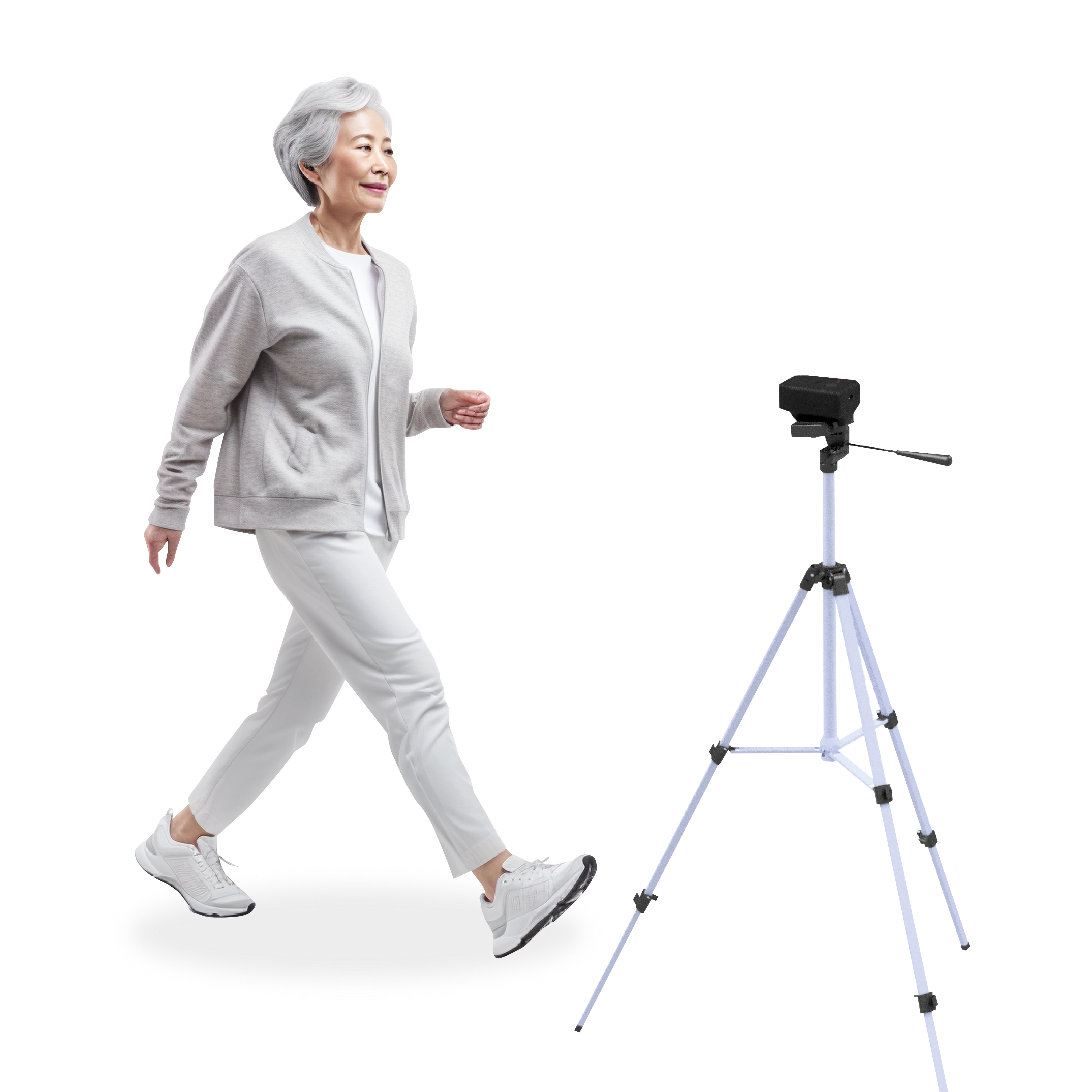
Standardized measurement of walking speed within the automated SPPB protocol.
Static Balance
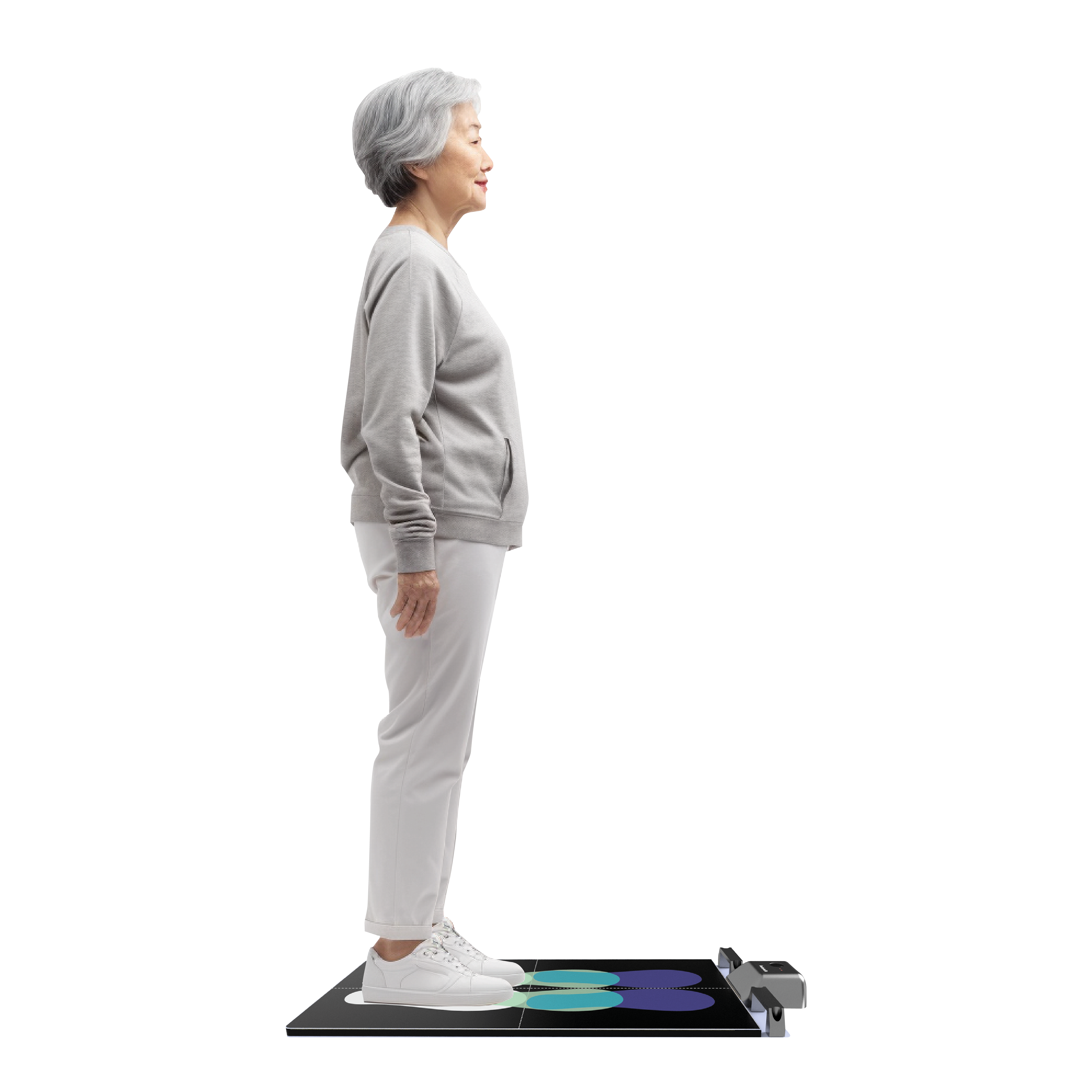
Objective capture of balance performance with a guided stance protocol.
Chair Stand
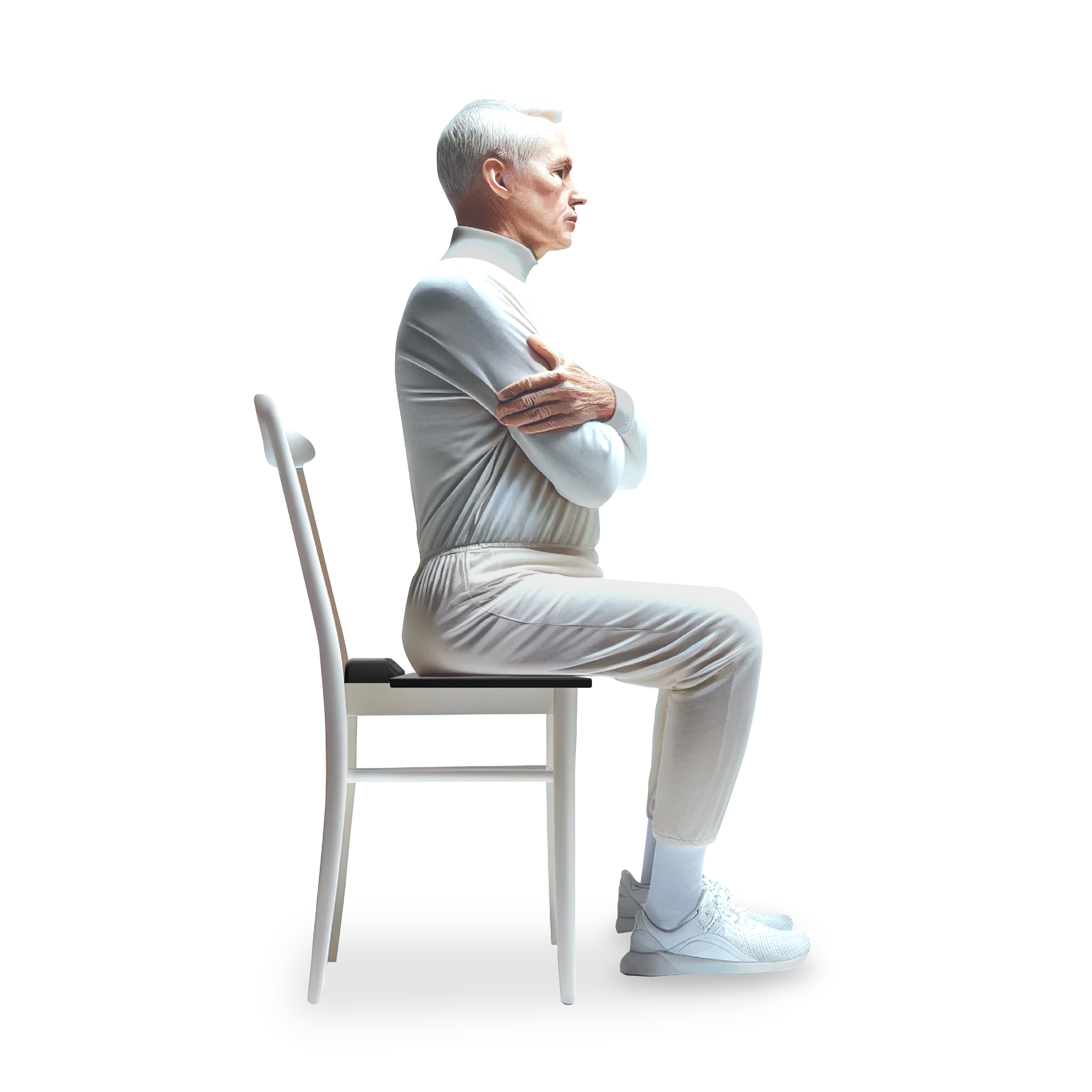
Instrumented five-times sit-to-stand to support consistent timing and scoring.